
 By
By 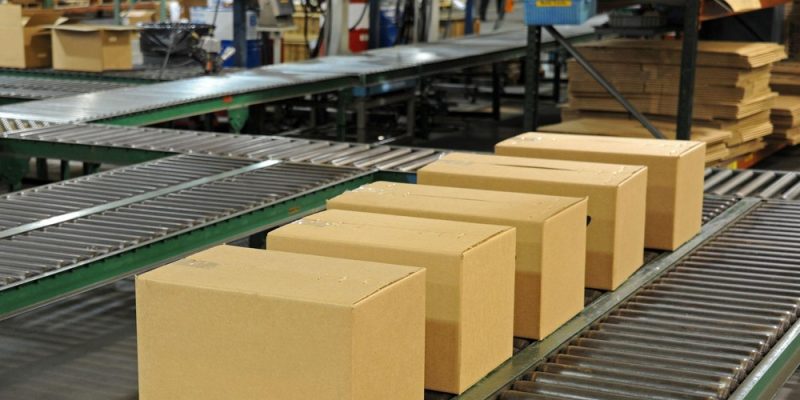
Key Takeaways
- Packaging speed collapses when sealing capacity does not match upstream output.
- Carton size variation disrupts flow when sealers require manual adjustment.
- Poor sealing consistency creates rework that quietly drains line efficiency.
Introduction
Packaging lines rarely fail where managers expect. Filling, capping, and labelling stations usually receive the most attention because they appear complex and expensive. The sealing stage, by contrast, looks simple and stable. Boxes enter, tape applies, and cartons exit. In practice, this final step frequently limits total output. When the case sealer cannot process cartons at the same pace as upstream packaging machines, boxes accumulate and conveyors stall. Production then slows across the entire line, even though earlier stations still have unused capacity. Understanding why sealing causes this imbalance helps operators correct the real constraint rather than adding speed where it cannot be used.
1. Throughput Mismatch at the End of the Line
Many lines combine automated primary packaging with manual or semi-automatic sealing. This setup works at low volumes, but pressure builds as upstream equipment accelerates. Operators struggle to fold flaps and apply tape at the same pace as machines that never pause. Boxes begin to queue before the sealer, forcing upstream machines to idle despite being capable of higher output.
A case sealer must support peak output, not average production rates. Lines designed around mean speeds fail during demand surges, overtime shifts, or seasonal spikes. Matching sealing capacity to upstream maximums removes forced stoppages and keeps conveyors moving without intervention.
2. Carton Variation Creates Constant Interruptions
Facilities that run multiple products rarely ship one box size. Height, width, and flap depth change across orders. Standard sealers require manual adjustment during each size change. Operators stop the line, reposition guides, and test alignment before restarting. Each change consumes minutes, not seconds.
When product mix changes frequently, these adjustments compound into hours of lost output each week. Random case sealers eliminate this delay by adapting to each carton automatically. Boxes flow through without stopping, even when sizes alternate. Lines regain continuity without depending on manual resets.
3. Manual Sealing Slows as Shifts Progress
Manual sealing performance declines predictably during long shifts. Folding flaps, pressing tape, and lifting cartons strain wrists and shoulders. Speed drops as fatigue sets in, especially during late hours. Errors increase at the same time, leading to misaligned tape or poorly closed flaps.
Automation removes this variability. Semi-automatic and fully automatic case sealers apply consistent pressure and alignment regardless of shift length. Output at the end of the day matches output at the start. Supervisors no longer plan production around human endurance at the sealing station.
4. Poor Carton Squaring Causes Micro-Stops
High-speed sealing requires cartons to enter the square and stable. Slight skewing causes flaps to catch or tape heads to misapply adhesive. Operators then stop the line to clear jams. Each stoppage may last less than a minute, but repeated dozens of times per shift, they erode capacity.
Advanced sealers prevent these interruptions with side-drive belts and centring systems. These components square cartons before tape application. Boxes enter the sealing head aligned, reducing jams and eliminating repeated operator resets.
5. Adhesive Performance Fails Under Real Conditions
Sealing speed alone does not determine throughput. Adhesive failure creates downstream handling problems that slow shipping and inspection. Tape lifts in humid environments. Glue fails on dusty cartons. Boxes reopen during palletising and require rework.
When cartons exit the sealer unsealed or partially sealed, workers pull them aside for manual correction. This creates secondary queues beyond the machine. Selecting adhesives suited to local conditions and carton weight prevents this silent loss of efficiency. Hot-melt systems and reinforced tapes solve issues that speed adjustments cannot fix.
6. End-of-Line Delays Spread Upstream
When sealed cartons do not exit smoothly, palletising slows next. Forklift traffic backs up. Finished goods occupy conveyor space needed for ongoing production. Operators reduce upstream speeds to avoid congestion. What begins as a sealing issue turns into a full-line slowdown.
Designing the sealing station as part of the entire packaging machine layout prevents this cascade. Clear discharge paths, matched speeds, and integrated controls keep cartons moving away from the line without interruption.
Conclusion
The case sealer determines whether upstream speed translates into shipped product. When sealing capacity falls short, production stalls regardless of how fast earlier machines operate. Throughput mismatches, carton variation, manual fatigue, alignment errors, and adhesive failure all concentrate at this final stage. Addressing these constraints allows the entire packaging machine line to run as designed. Efficient sealing does more than close boxes. It keeps production moving without forced stops.
Contact Sunstream Industries to review your current sealing setup and identify where a case sealer upgrade can remove hidden bottlenecks from your packaging line.










Comments