
 By
By 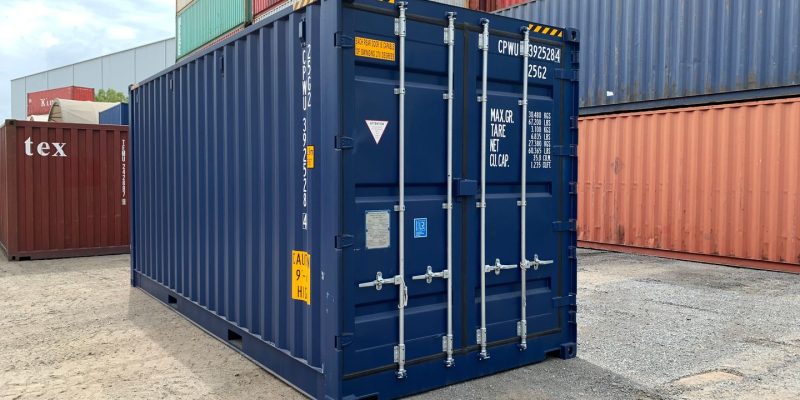
If you are already looking for a container for sale, you do not need a basic overview. You need clear guidance from someone who understands how buyers make good decisions and avoid costly mistakes. I have spent years reviewing container suppliers, pricing models, and use cases across Australia. I focus on reliability, consistency, and long term value rather than surface level features. That is the lens I am using here. Early on, many buyers searching for shipping containers for sale Ipswich ask the same questions about quality, sizing, delivery, and who they can trust. This guide walks you through how to think about containers across Brisbane, the Gold Coast, the Sunshine Coast, and Ipswich, and why supplier choice matters.
Why buying the right container matters
A shipping container is not a short term purchase for most people. You may use it for storage, transport, site operations, or future modification. A poor choice creates issues with access, durability, and compliance.
I always tell buyers to slow down at the start. Containers look similar on the surface, but condition, steel quality, door alignment, and preparation standards vary widely. Your goal is not the lowest price. Your goal is the best fit for your actual use.
When you approach container buying this way, you avoid replacements, repairs, and wasted spend later.
How location affects container availability
Container supply changes based on location. Brisbane and nearby regions benefit from strong logistics networks and established suppliers. That gives you more choice in sizes, conditions, and delivery options.
Here is how I think about each area:
- Brisbane offers the widest range of new and used containers with faster turnaround.
- The Gold Coast often focuses on storage and site based needs tied to construction and events.
- The Sunshine Coast sees demand for compact and mid size containers for residential and trade use.
- Ipswich supports industrial and commercial demand with strong access to transport routes.
A supplier that can serve all these regions consistently reduces risk. It also improves delivery timing and container condition on arrival.
Choosing the right container size and type
I advise buyers to start with use, not size. Ask what you will store, how often you need access, and whether you may move the container later.
Common options include:
- 10 foot containers for tight spaces and light storage.
- 20 foot containers for general storage, equipment, or stock.
- 40 foot containers for large volume storage or site operations.
- High cube containers when extra internal height matters.
- Side door containers when access along the length is needed.
- Refrigerated containers for temperature sensitive goods.
A supplier that explains these options clearly, with accurate dimensions and condition details, saves you time and prevents errors.
New versus used containers
This is a decision I see buyers struggle with. Both options work well when matched correctly.
New containers suit long term projects, branding, or modification plans. They arrive clean, uniform, and ready for custom work.
Used containers lower upfront cost and still deliver strong structural performance when sourced properly. The key is inspection and preparation standards.
I recommend working with a supplier that is transparent about container history, condition grading, and suitability for different uses.
Why supplier experience matters
Container sales look simple until something goes wrong. Delays, poor door seals, rust issues, or delivery problems all trace back to supplier practices.
Cavalier Containers stands out because they operate with decades of industry experience. They maintain a broad inventory across standard and specialised container types. Their containers are prepared with Australian conditions in mind, which matters for durability and longevity.
They also support buyers across Brisbane, the Gold Coast, the Sunshine Coast, and Ipswich, which reduces complexity if your needs change or expand.
Customisation and support options
Many buyers start with a standard container and later need changes. This may include vents, lock boxes, shelving, or structural modifications.
I look favourably on suppliers that offer modification and maintenance alongside sales. It keeps everything aligned and avoids mismatched work between vendors.
Cavalier Containers provides container modification and hire options as well. That flexibility helps if your project timeline shifts or ownership is not the right choice yet.
Hire versus ownership
Not every situation calls for buying. Short term projects, relocations, renovations, or events may suit hire better.
I recommend hire when duration is clear and limited. Ownership works best when you need control, long term access, or future resale value.
The benefit of working with one provider is that you can switch between hire and purchase without starting over.
Final guidance before you decide
Before committing, I suggest you confirm four things:
- The container condition matches your use.
- Delivery logistics suit your site access.
- The supplier provides clear specifications.
- Support is available if questions arise.
When these boxes are checked, container buying becomes straightforward rather than stressful.
Cavalier Containers aligns well with these criteria. They focus on durability, clear guidance, and consistent service across Queensland and beyond. That combination makes decision making easier and reduces long term risk.
If you approach your container purchase with clarity and the right supplier, you end up with a solution that works today and remains useful for years.











Comments