
 By
By 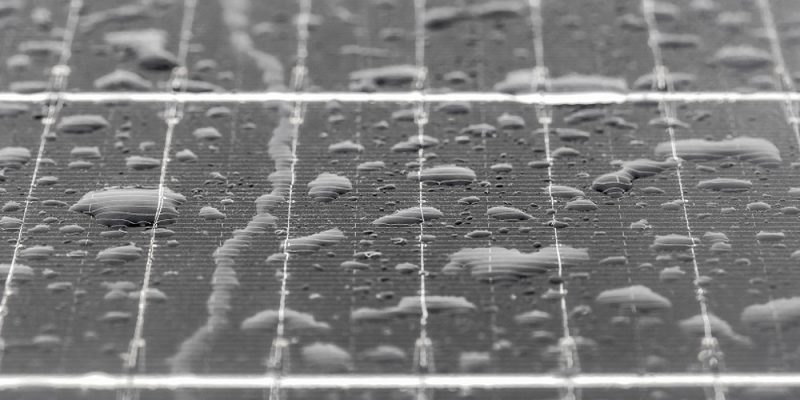
Key Takeaways
- Sunlight, heat, and moisture each influence output, shaping how panels perform daily.
- Cloud cover reduces intensity but systems continue producing energy at a steady pace.
- Heat buildup affects efficiency, while airflow helps maintain stable panel operation.
- Rain cleans panel surfaces, helping maintain light absorption and consistent output.
Introduction
Sunlight changes from one hour to the next, and that shift affects how panels produce energy. Daily output responds to changes in light, heat, and moisture, something a solar company in Singapore will notice during routine system checks. Paying attention to these patterns helps you understand how a system performs under different conditions without relying on rough assumptions.
Sunlight and Cloud Cover
Clear Skies and Direct Exposure
Strong sunlight keeps energy production consistent, though intensity shifts as the sun moves. Panels receive light effectively when nothing blocks the surface, which keeps conversion levels consistent throughout the day. Panel angle and direction are factored in during a solar panel installation in Singapore, so usable light reaches the system throughout the day.
Overcast Conditions and Diffused Light
Cloud cover softens the intensity of sunlight, though energy production continues at a reduced pace. Diffused light spreads across the panel surface, which keeps systems active even when skies turn grey. Thinking of clouds as a dimmer helps set expectations without assuming a complete drop in output.
Temperature and Heat Levels
When Panels Get Too Warm
Heat builds up during sunny periods and affects electrical components. Higher temperatures can reduce efficiency as energy transfer slows under thermal strain. Airflow planning plays a role here, and a solar company in Singapore considers this early so panels have enough space underneath to release trapped heat.
Cooler Conditions and Consistent Output
Lower temperatures create a calmer operating environment for panels. Electrical flow remains stable, keeping output consistent over extended periods. Light exposure and ventilation are planned during solar panel installation in Singapore, so heat does not interfere with daily performance.
Rain, Humidity, and Moisture
Rainfall and Cleaning Effects
Rain clears surface buildup that collects over time. Dust and small debris wash away, keeping panels ready to receive incoming light. A short rainfall can leave panels cleaner once skies clear, helping maintain energy production without manual cleaning.
Humidity and Air Conditions
Moist air shifts how sunlight reaches panel surfaces. Light scatters slightly before contact, reducing intensity while systems remain active. Planning for humid conditions comes up when working with a solar company in Singapore, keeping performance reliable during heavy moisture levels.
Wind and Seasonal Shifts
Wind Flow and Panel Cooling
Air movement passes across panel surfaces and carries heat away in a quiet but constant way. As warm air lifts off the surface, fresh air takes its place, which helps prevent heat from sitting on the panels for long periods. Lower surface temperature keeps electrical flow stable and reduces strain on internal components. Over time, this natural cooling effect contributes to reliable energy production across different hours of the day without requiring any added intervention.
Seasonal Changes in Light Patterns
Sun position shifts across the year, which changes how long panels receive direct light. Daily exposure varies as the sun rises and sets at different angles. These patterns are already considered during solar panel installation in Singapore, so panels continue receiving usable light across different months.
Conclusion
Weather plays a clear role in how solar panels produce energy, with light, heat, rain, and airflow each contributing in different ways. Recognising these patterns gives you a better sense of how a system performs across changing conditions without needing constant adjustments.
Looking at how your setup responds to different weather conditions can help you manage expectations and daily usage. Contact LHN Energy today to explore how a solar system can align with local conditions and keep your energy use running smoothly.











Comments