
 By
By 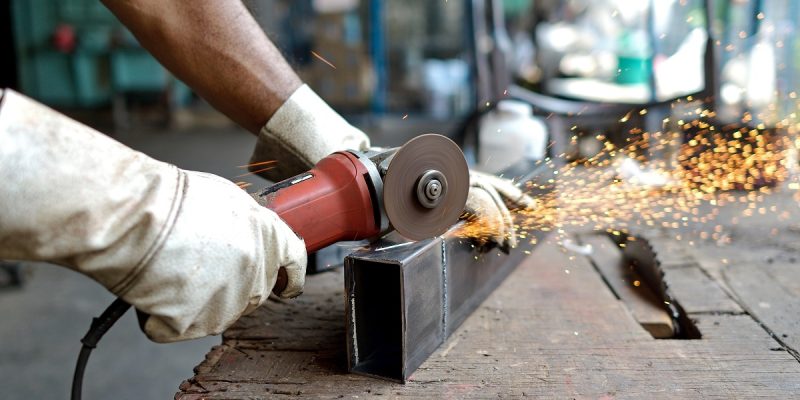
Strong structures depend on careful shaping of metal elements for reliable outcomes. Skilled workshops transform raw materials into functional components supporting growth, safety, and durability. Demand rises across building, utility, and production sectors due to adaptable processes. Decision makers often seek guidance while planning frameworks, supports, and assemblies. Quality control ensures consistency, while planning reduces waste and delays. Advanced tools allow precision shaping for varied purposes. Attention toward steel fabrication dubbo continues increasing because adaptable solutions support multiple requirements without complexity. A clear understanding of available fabrication styles assists selection, budgeting, and long-term performance goals.
Structural forming
Structural forming focuses on shaping beams, columns, and frames supporting heavy loads. Builders prefer this approach for dependable strength, flexibility, and consistent sizing. Accurate measurements ensure balanced distribution, enabling large frameworks to remain stable under pressure.
Sheet shaping
Sheet shaping involves cutting thin metal into panels, covers, or casings. Precision tools deliver smooth surfaces suitable for enclosures and fittings. Designers value adaptability because formed sheets fit varied dimensions while maintaining strength and visual uniformity.
Plate processing
Plate processing manages thicker metal segments used where higher resistance matters. Controlled shaping produces bases, braces, and supports capable of handling stress. Fabricators rely on careful alignment, ensuring dependable performance across demanding operational environments.
Pipe assembly
Pipe assembly creates channels for flow systems and support frameworks. Skilled joining delivers leak resistance and durability. Accurate bending and joining techniques maintain alignment, ensuring efficient movement while preserving long-term reliability.
Smart selection
Choosing suitable fabrication types supports dependable outcomes and financial balance. Understanding options empowers confident decisions while reducing risks.
- Review project demands carefully, including scale complexity, longevity expectations, compliance considerations future adjustments.
- Compare fabrication approaches based on suitability, strength, adaptability, efficiency, cost control, and maintenance impact.
- Consult experienced specialists for insights, accuracy, innovation, reliability, scheduling, and coordination benefits.
Welding integration
Welding integration connects components into unified assemblies. Skilled application ensures joints resist stress without distortion. Proper selection of techniques enhances lifespan while maintaining safety standards throughout demanding operational conditions.
Machining support
Machining support refines fabricated pieces through drilling, trimming, or smoothing. Precision enhances compatibility during assembly. This process improves fit accuracy while supporting efficient installation within complex structural arrangements.
Surface finishing
Surface finishing improves protection and appearance through coatings or treatments. Enhanced resistance prevents corrosion while supporting longevity. Clean finishes also simplify maintenance, extending usefulness across varied operational settings.
Quality planning
Effective planning ensures fabrication success through careful evaluation and coordination. Proper oversight improves reliability while aligning outputs with expectations.
- Assessment considers load needs, environmental exposure timelines, budgets, compliance targets, safety measures, efficiency objectives, and performance standards.
- Scheduling balances workflow resources, coordination milestones, inspections delivery requirements, minimizing delays and maximizing consistent output.
- Material selection evaluates thickness grades, strength, durability, adaptability, availability cost, efficiency sustainability considerations.
Thoughtful evaluation of fabrication options supports lasting performance and value. Understanding forming, shaping, joining, and finishing enables informed planning across varied developments. Considering long-term objectives while selecting fabrication solutions encourages efficiency, resilience, and responsible investment, making steel fabrication dubbo a dependable choice for forward-thinking projects. Balanced decisions reduce waste, improve safety, and support efficient progress. Teams gain confidence through preparation, coordination, and quality checks. Reliable outcomes depend on matching requirements with appropriate processes. Strategic planning combined with skilled execution ensures dependable frameworks supporting growth and adaptability.











Comments