
 By
By 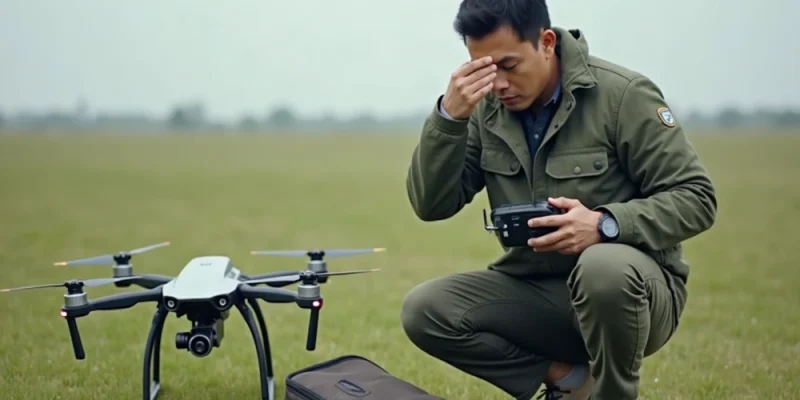
Important Insights
- Physical fatigue slows reaction times and impairs manual flying control during operations.
- Enrolling in structured training helps remote pilots spot early signs of exhaustion.
- Standardised pre-flight checklists prevent tired operators from skipping critical safety steps.
- Earning an official credential proves a pilot understands essential human factor rules.
Operational Foundations for Unmanned Aircraft
Unmanned aircraft operations require sharp focus and constant visual monitoring to maintain safety. Many remote operators mistakenly assume flying a drone requires minimal physical effort compared to manned aviation. Poor sleep, long working hours, and harsh sunlight drain mental energy quickly during routine field assignments.
Understanding personal physical limits is a major part of learning proper aviation standards. Completing comprehensive UA basic training teaches operators to spot early signs of tiredness, stress, and distraction before taking off. Building this basic awareness helps prevent costly equipment crashes and keeps people on the ground safe.
Understanding Human Factors in Drone Operations
Human factors cover how physical conditions impact piloting performance during actual flight operations. Remote operators process live telemetry data and track airspace visually at the same time. Heavy mental workloads reduce decision-making speed, raising collision risks significantly during routine jobs.
Harsh sunlight and high heat accelerate physical tiredness during long field shifts. Structured UA basic training teaches students how weather conditions wear down concentration over time. Instructors explain simple methods to reduce physical strain, such as taking breaks and drinking water.
Building good situational awareness helps pilots spot changing weather and hazards early. Practical instruction encourages operators to check their personal physical condition continuously while flying. Recognising mental tiredness allows pilots to land their aircraft safely before poor judgment causes mistakes.
Recognising and Managing Pilot Fatigue
Pilot fatigue slows physical reaction times and reduces your ability to track fast aircraft accurately. Exhaustion leads to delayed controller inputs and makes holding a steady hover nearly impossible. Ignoring those physical warning signs puts expensive gear and nearby people at serious risk.
- Recognise Physical Limits: Catches slow reaction times and shaky controller inputs before they cause a crash.
- Set Hard Daily Limits: Establishes strict flying caps and mandatory rest breaks between missions to stay sharp.
- Rely on Pre-Flight Checklists: Uses simple written steps to stop tired pilots from missing vital hardware checks before launch.
- Protect Gear and Crew: Keeps overall safety standards high during long, demanding field operations.
Building a solid safety routine and prepping for your UA basic training certificate teaches you to use practical frameworks to evaluate your operational readiness objectively. Relying on structured checklists keeps you sharp, professional, and completely safe through every mission.
Preventing Automation Bias and Distraction
Relying too much on automated flight modes creates a false sense of safety that ruins pilot alertness. Operators often drop their attention once GPS positioning lock or automatic waypoint routes start. Distracted pilots struggle to take back manual control quickly during sudden system glitches.
Training programs focus on keeping sharp manual flying skills alongside automated functions at all times. Taking UA basic training prepares operators to spot sensor errors instantly and switch to manual control calmly. Staying active on the control sticks prevents dangerous delays when automation fails suddenly.
Managing site distractions is another key skill covered during practical flight instruction. Bystanders, phone alerts, and sudden weather changes pull focus away from the aircraft. Pilots learn to set clear site boundaries, keeping spectators at safe distances during active flights.
Building a Culture of Safety and Accountability
Building a real safety mindset comes down to pilots taking full responsibility for every call they make in the field. Real pros know that grounding a flight because of heavy weather or exhaustion isn’t a failure-it’s just smart flying. Making safety second nature protects your gear, your team, and the reputation of the whole commercial drone industry.
| Professional Mindset | Casual Flying Habits |
| Calls Off Risky Launches | Pushes through bad weather or fatigue just to hit tight deadlines |
| Puts Safety Surveys First | Skips site checks and rushes straight into the air without planning |
| Runs Strict Pre-Flight Checks | Ignores basic gear inspections and cuts corners on battery checks |
| Keeps Skills Fresh | Relies on old habits instead of staying updated on current flight rules |
Standing out as a reliable remote pilot gets a lot easier once you earn a UA basic training certificate to show clients and authorities you mean business. Committing to solid flight prep and ongoing skill updates ensures you stay sharp, professional, and completely safe on every single job.
Synthesising Safety and Operational Readiness
Managing human factors and fatigue is just as vital as mastering flight controls when operating unmanned aircraft safely. Proper instruction gives remote pilots the skills needed to spot tiredness, avoid distraction, and maintain total control in the field. Checking physical readiness and following basic safety steps ensures every drone mission finishes without risks or accidents.
Contact Apollo Global Academy today to learn more about our professional drone training courses and start your aviation journey!











Comments