
 By
By 
At a Glance:
- Defining objectives, aligning stakeholders, and establishing communication are the first stages of a successful corporate event.
- Creating a detailed, flexible budget with a contingency buffer helps control expenses and cover unexpected event costs.
- Develop comprehensive contingency plans and train teams to handle challenges calmly and efficiently.
- Select reliable vendors, foster strong partnerships, and leverage technology to enhance efficiency, engagement, and long-term success.
Corporate events strengthen professional relationships, enhance brand visibility, and assist business growth. A product launch, industry conference, or employee recognition gala, all provide opportunities to connect with key stakeholders and showcase your organisation’s vision.
However, executing a successful corporate event is not an easy task. Even the best ideas can fall short due to miscommunication, budget overruns, logistical issues, or underwhelming guest experiences if proper planning is not in place.
This article provides the top insider tips to help you execute a seamless corporate event.
Define Clear Objectives and Align Stakeholders Early
Every successful corporate event management begins with a clearly defined purpose. Each type of corporate event has different objectives and expectations. Identifying the ‘why’ behind your event shapes every planning decision.
Once the purpose is set, outline measurable goals such as attendance numbers, lead generation, brand visibility, or sales growth to track outcomes and ROI.
Equally important is early stakeholder alignment to avoid miscommunication and last-minute changes. Thus, engage all stakeholders, such as marketing teams, management, sponsors, and vendors, well in advance to get everyone on the same page early.
Moreover, establish clear roles and responsibilities and create structured communication channels to ensure everyone stays informed and aligned throughout the process.
Prepare A Budget That Supports the Event Goals
A well-structured budget avoids stress and financial surprises during the operation. Begin by prioritising expenses that directly influence attendee experience and event success, such as venue, catering, AV and lighting, decor, entertainment, and marketing.
Once that’s done, break down costs into detailed line items rather than broad categories to improve visibility on potential overruns. Event managers can always use budget-tracking tools to record and monitor spending and adjust allocations as needed. Allocate more resources in areas that drive engagement and ROI, while keeping non-essential items flexible.
Finally, set aside a certain amount for a contingency buffer, ideally 10-15% of the total budget. This will help you cover unforeseen costs like last-minute staffing, overtime, or emergency logistics.
Prepare Contingency Plans for Unexpected Incidents
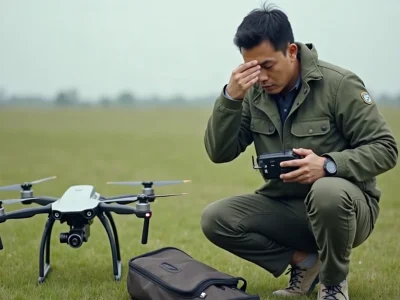
Weather changes, technical failures, transport delays, or vendor cancellations can affect logistics and guest experience. To minimise risks, identify potential threats early and rank them by likelihood and impact.
Develop clear contingency plans, such as backup venues, alternate suppliers, and spare AV equipment. A crisis response protocol should outline who handles communications, how decisions are made, and the steps for resolving each type of incident.
Your team also plays a major role in maintaining event flow and professionalism under pressure. Thus, regularly train your team and conduct rehearsals to ensure calm, coordinated responses when issues occur.
Select Reliable Vendors and Build Strong Partnerships
Vendors have a major influence on an event’s success. From catering and décor to production and logistics, each supplier contributes to the overall experience. So, start by thoroughly assessing potential partners by reviewing their portfolios, checking references, and confirming their experience with events of a similar scale. With that, you can choose vendors based on expertise and dependability rather than cost alone.
Once selected, set clear expectations around deliverables, timelines, and accountability, and formalise these through detailed contracts. Moreover, fostering strong relationships by treating vendors as collaborative partners encourages open communication and alignment with your event vision.
Use Technology to Enhance Engagement and Efficiency
Smart use of technology improves audience engagement and the flow of the event. For instance, event management software streamlines registration, scheduling, ticketing, and real-time updates, reducing administrative burdens and human errors.
In addition, Hybrid and virtual event options expand your reach, accommodating remote attendees while boosting accessibility.
Always test software, platforms, and equipment in advance to prevent last-minute technical issues. During the event, use digital engagement apps with interactive agendas, live polls, and real-time feedback. These tools will involve participants and keep them excited throughout the event.
Afterwards, analyse event data and survey responses to measure success and identify areas for improvement.
A successful corporate event requires strategic planning, clear communication, and strong partnerships. When executed well, corporate events can strengthen relationships, elevate brand perception, and drive business growth. Preparation and attention to detail will help your event succeed, leaving a lasting impact and delivering desired results.
Despite the best efforts, organising a corporate event all by yourself can be very challenging. So, consider partnering with a reliable event management company that can take care of all your event needs, from logistics to guest experience.









Comments