
 By
By 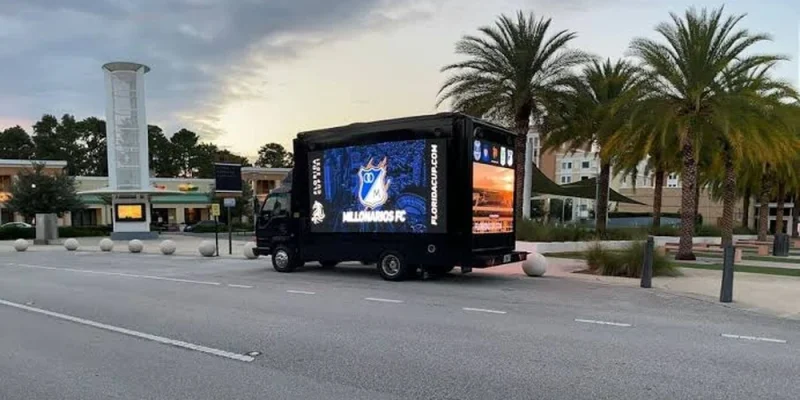
Seasonal campaigns operate under a compressed timeline where message reach must align with shifting consumer patterns rather than a single fixed audience. LED mobile screens are a good choice for retailers because they offer displays that can be repositioned across commercial zones, transit corridors, and event areas as demand changes. A billboard truck provides the mechanism for this shift, replacing a lease-bound structure with a deployment model that follows consumer density rather than waiting for it to arrive. This direct link between movement and campaign timing explains why seasonal retail planning increasingly places mobile LED formats ahead of static installations, particularly when promotional windows are too short to rely on a single unmoving location.
Timing-sensitive promotions
Timing determines the outcome of most seasonal retail campaigns more than any other single factor. Despite strong creative and clear positioning, an advertising campaign may underperform if the exposure window does not match how demand moves across the day. Static billboards cannot respond to this pattern since creative content remains fixed for the duration of a booking period, regardless of whether consumer attention has moved elsewhere. Mobile LED units solve this by allowing route and schedule adjustments mid-campaign. During two-week promotions, retailers should target locations where there is guaranteed foot traffic on any given day rather than committing to one location throughout the entire campaign.
Event-linked exposure
Event-linked moments create some of the sharpest spikes in seasonal foot traffic, often exceeding standard daily patterns within a matter of hours. Retail seasons frequently overlap with local events, festivals, and gatherings that draw concentrated crowds, and event organisers, along with nearby retail businesses, share an interest in this overlap. Mobile LED screens can be positioned near event perimeters, parking areas, or transit routes feeding into these gatherings. Event-linked exposure of this kind lets a single campaign serve both routine seasonal advertising and sudden crowd spikes without separate media buys.
- Displays can move closer to entry points during peak arrival hours.
- Creative content can switch between general seasonal messaging and event-specific offers.
- Positioning can shift after an event concludes to capture dispersing crowds.
- Route changes require no new permits tied to a fixed site.
Creative rotation control
Creative rotation becomes a practical necessity once a seasonal campaign runs multiple offers in sequence, such as early bird pricing followed by final clearance messaging. Static formats require a physical changeover for each new creative, which introduces delays and added labour. Mobile LED screens display updated content remotely, letting brand managers adjust messaging as a campaign progresses without pausing deployment. Automotive dealerships and restaurants use this capacity to test different promotional angles across a single day. A morning creative aimed at commuters can switch to an evening version targeting dinner traffic, all on the same vehicle and route. Consistent brightness and resolution across changing outdoor light conditions also keep messaging legible throughout a full day of deployment, from early morning visibility through evening hours when many seasonal shoppers are still active.
Mobile LED screens give retailers a format built for the uneven rhythm of seasonal demand. Route flexibility, event responsiveness, and remote creative control together explain why this format continues to gain preference over fixed advertising structures during high-stakes promotional periods.











Comments