
 By
By 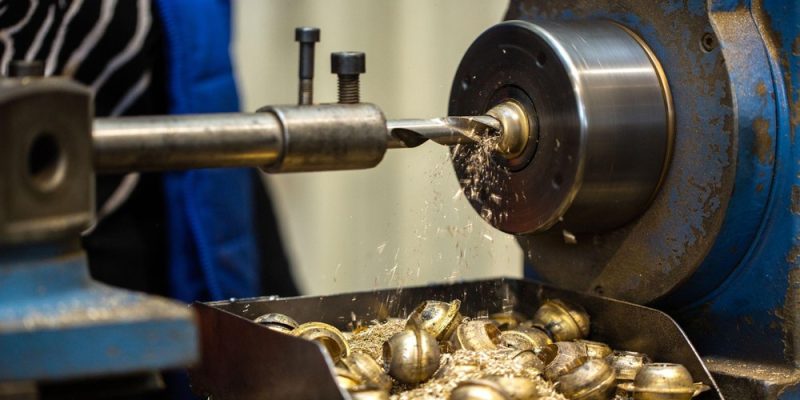
Key Takeaways
- Computer-guided tools ensure that every custom part matches the digital design within microns.
- Combining milling and turning allows for the creation of components that feature both complex shapes and perfect symmetry.
- Precision machines can shape everything from lightweight plastics to heavy-duty industrial alloys.
Introduction
High-precision components undergo a complex process to be formed from a raw block of metal into a finished product. Whether it is the sleek casing of a high-end electronic device or a custom bracket for a local automotive project, the physical world relies on exact measurements. When a design requires intricate shapes or internal cavities that a human hand cannot replicate, professional CNC milling services provide the solution. These computer-controlled systems follow digital blueprints to carve out material with a level of accuracy that ensures every single piece is identical. At the same time, when a component requires a perfectly symmetrical, cylindrical form, a CNC turning service complements the process. Individuals can move from a rough concept to a tangible, durable reality when they understand how these distinct methods work together.
1. Carving Intricacy with Multi-Axis Milling
The primary strength of CNC milling services lies in their ability to move a cutting tool across multiple planes to remove material from a stationary workpiece. Imagine a block of aluminium being sculpted by a drill bit that moves in all directions simultaneously, where this multi-axis movement can create complex geometries, such as deep pockets, slots, and irregular surface contours. In Singapore, this process remains the go-to for parts that require flat surfaces or complex 3D shapes. Because the computer guides every movement, the risk of error remains virtually non-existent, even when working with tough materials like stainless steel or titanium. This reliability makes it easier for businesses to prototype new inventions or produce small batches of specialised equipment without the traditional costs of manual labour.
2. Shaping Symmetry through Turning
While milling handles the complex shapes, a CNC turning service specialises in the production of round, cylindrical, or conical parts. In this process, the material itself rotates at high speeds while a stationary cutting tool removes the outer layers to create the desired diameter. You see the results of this work in items such as shafts, bolts, and threaded connectors that require perfect balance and smooth finishes. When a custom project requires a part that is both round and has milled features, shops often use both CNC milling services and turning in tandem. This ensures that the circular base of a component fits perfectly into its housing while the milled top provides the necessary functional attachment points.
3. Digital Blueprints and Precision Accuracy
The entire process begins on a computer screen where a designer creates a 3-D model of the part. This digital file acts as the brain of the operation, instructing the CNC milling services on exactly how deep to cut and at what speed to move. If you need a part that measures exactly 10.05 millimetres, the machine will deliver that exact specification every single time. Even when a CNC turning service handles the production, the same level of digital oversight applies, which is particularly vital in industries where even a hair-width deviation could lead to mechanical failure. By using these computer-guided tools, you ensure that your custom components assemble perfectly on the first try, saving both time and material costs.
4. Material Versatility for Diverse Needs
Professional machining allows for a wide range of materials to be shaped according to the specific needs of the environment. While aluminium is a popular choice due to its light weight and ease of use, CNC milling services frequently handle much denser materials such as brass, copper, and various grades of steel. For parts destined for harsh industrial environments, a CNC turning service can shape hardened alloys that would be impossible to work with using hand tools. The choice of material dictates how the machine is set up, including the type of cooling fluid used and the sharpness of the cutting bits, which means you can choose a material based on its strength or heat resistance rather than the limitations of the manufacturing process.
5. Finishing and Surface Quality
The final step in the journey of a custom component involves achieving the right surface texture. Parts fresh from CNC milling services often have a distinct, clean finish, but they can also undergo secondary processes like bead blasting or anodising for extra durability. Similarly, a CNC turning service can produce a mirror-like finish on a cylindrical rod if the application requires low friction. These finishing touches do more than protect the metal from the humid climate and prevent premature wear. When you hold a finished part in your hand, you feel the weight and the smoothness that only precision machining can provide, ensuring that the final product functions well and withstands the test of time in practical use.
Conclusion
Custom manufacturing is now accessible for businesses that require specialised components. By choosing CNC milling services instead of relying on standard off-the-shelf parts, you produce components that match your exact specifications and tolerances. Converting detailed drawings into machine-ready files improves consistency and reduces variation across production runs. Engaging a professional CNC turning service also ensures that cylindrical parts maintain proper balance and dimensional accuracy. Paying attention to machining quality at the outset reduces the risk of misalignment, premature wear, and functional issues later in the project.
Contact Desk Precision Singapore to engage with CNC turning and milling services for your needs.









Comments