
 By
By 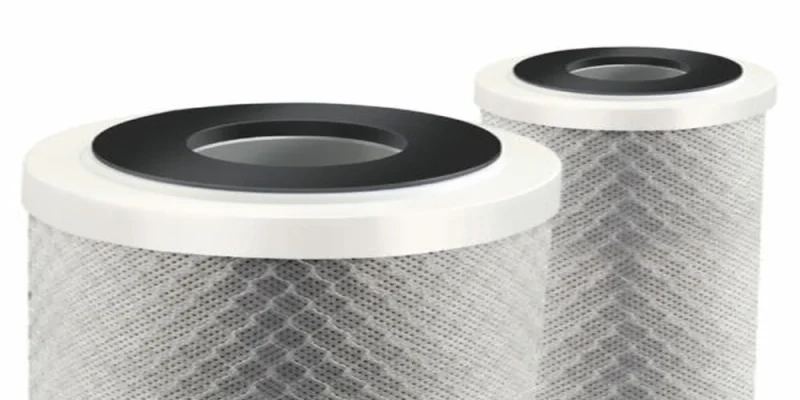
Clean water is essential for manufacturing, food processing, healthcare, hospitality, and even everyday drinking. While many filtration technologies remove dirt and suspended particles, eliminating chlorine, unpleasant odors, and organic contaminants requires a different approach. This is where a carbon filter cartridge plays a vital role.
Designed to improve water quality without altering its natural mineral content, carbon filter cartridges are widely used in residential, commercial, and industrial water treatment systems. They help deliver cleaner, better-tasting water while protecting downstream equipment from contaminants that can affect performance and product quality.
In this guide, you’ll learn what a carbon filter cartridge is, how it works, its key benefits, common applications, and tips for selecting the right cartridge for your filtration system.
What Is a Carbon Filter Cartridge?
A carbon filter cartridge is a filtration component filled with activated carbon that removes unwanted chemicals and impurities from water through a process known as adsorption. Unlike ordinary filters that trap particles based on size, activated carbon attracts and holds contaminants on its highly porous surface.
These cartridges are commonly installed in filter housings and are available in multiple sizes and configurations to suit different flow rates and treatment requirements.
Depending on the application, carbon filter cartridges may use:
- Granular Activated Carbon (GAC)
- Carbon Block
- Catalytic Activated Carbon
Each type is designed to target specific contaminants while maintaining efficient water flow.
How Does a Carbon Filter Cartridge Work?
Activated carbon contains millions of microscopic pores, creating an enormous surface area for adsorption. As water passes through the carbon filter cartridge, contaminants adhere to the carbon surface while clean water continues through the system.
A carbon filter cartridge is highly effective at reducing:
- Chlorine
- Chloramine (with catalytic carbon)
- Bad taste and odor
- Volatile Organic Compounds (VOCs)
- Pesticides
- Herbicides
- Certain industrial chemicals
- Organic contaminants
Many systems also combine carbon filtration with sediment filters to provide complete water purification.
Key Benefits of Using a Carbon Filter Cartridge
1. Improves Water Taste and Odor
One of the primary reasons people install carbon filtration is to eliminate chlorine taste and unpleasant smells. The result is fresh, clean-tasting water suitable for drinking and food preparation.
2. Reduces Chemical Contaminants
A quality carbon filter cartridge effectively removes many chemicals commonly found in municipal and industrial water supplies, helping improve overall water quality.
3. Protects Equipment
Chlorine and other chemicals can damage membranes, valves, seals, and industrial processing equipment over time. Carbon filtration helps extend the lifespan of these systems.
4. Supports Better Product Quality
Industries that rely on purified water, such as beverage manufacturing and pharmaceuticals, benefit from consistent water quality that helps maintain production standards.
5. Environmentally Friendly
Using carbon industrial filtration can reduce dependence on bottled water and disposable plastic containers, making it a more sustainable solution.
Common Applications of Carbon Filter Cartridges
The versatility of carbon filtration makes it suitable for a wide variety of industries.
Residential Water Filtration
Homes use carbon cartridges to improve drinking water quality by reducing chlorine, unpleasant odors, and organic impurities.
Food and Beverage Industry
Restaurants, cafes, breweries, and beverage manufacturers rely on carbon filters to produce better-tasting drinks and protect equipment from chlorine damage.
Pharmaceutical Manufacturing
High-purity water is critical for pharmaceutical production. Carbon filters help remove organic contaminants before additional purification stages.
Chemical Processing
Industrial facilities often use activated carbon filtration to improve process water quality and protect sensitive manufacturing equipment.
Hospitality Industry
Hotels, resorts, and commercial kitchens use filtered water for cooking, beverages, and guest satisfaction.
Reverse Osmosis Systems
Many reverse osmosis systems include a carbon filter cartridge as a pre-filter to remove chlorine that could damage RO membranes.
Carbon Block vs. Granular Activated Carbon
Although both use activated carbon, they serve slightly different purposes.
Carbon Block Filters
- Higher filtration efficiency
- Better chlorine reduction
- Excellent sediment retention
- Longer contact time with water
Granular Activated Carbon (GAC) Filters
- Higher flow rates
- Effective odor removal
- Lower pressure drop
- Suitable for general-purpose filtration
Selecting the right option depends on your water quality and application requirements.
How to Choose the Right Carbon Filter Cartridge
When selecting a carbon filter cartridge, consider the following factors:
- Water quality and contaminant levels
- Flow rate requirements
- Cartridge size and housing compatibility
- Operating pressure
- Temperature range
- Micron rating
- Expected service life
- Replacement frequency
Water testing can help identify contaminants and ensure you choose the most suitable filtration solution.
Maintenance Tips
To maintain filtration performance:
- Replace cartridges according to the manufacturer’s recommendations.
- Monitor pressure drop across the filter.
- Flush new cartridges before use if required.
- Inspect filter housings for leaks or damage.
- Schedule regular maintenance to prevent reduced filtration efficiency.
Proper maintenance helps ensure consistent water quality and extends the life of your filtration system.
Conclusion
A carbon filter cartridge is one of the most effective and reliable solutions for improving water quality across residential, commercial, and industrial applications. By removing chlorine, odors, organic compounds, and other unwanted contaminants, it enhances water taste, protects valuable equipment, and supports efficient production processes.
Whether you’re treating drinking water, protecting reverse osmosis membranes, or maintaining high-quality industrial operations, investing in the right carbon filter cartridge ensures dependable filtration performance and long-term value. Choosing a high-quality cartridge and following a regular maintenance schedule will help your filtration system operate efficiently while delivering cleaner, safer water every day.











Comments