
 By
By 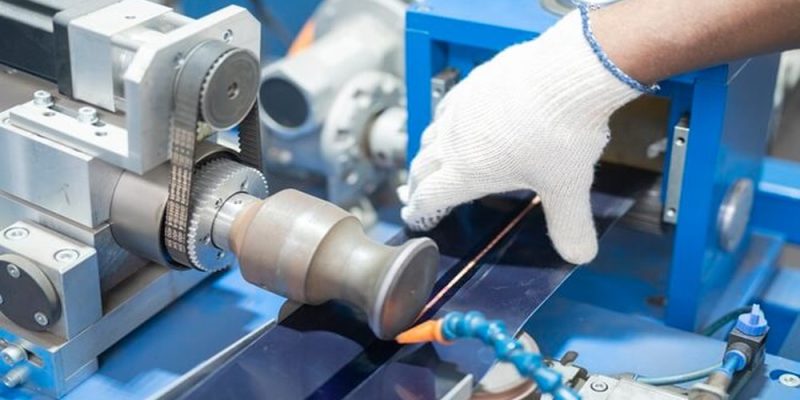
In today’s competitive landscape, manufacturers face constant pressure to deliver components that are not only functional but also precisely engineered for demanding applications. Contract manufacturing has emerged as a vital strategy for companies seeking expertise without the overhead of in-house production lines. This approach allows businesses to tap into specialized skills for everything from intricate medical devices to durable industrial parts.
The Core of Contract Converting and Fabrication
Contract converting involves transforming raw materials into finished or semi-finished components through processes like die-cutting, slitting, and laminating. Experts in this field use advanced rotary and flatbed die-cutting to achieve tight tolerances and clean edges on a variety of substrates, including adhesives, films, foams, and nonwovens. Precision slitting further customizes material widths, while laminating combines layers for enhanced performance.
These techniques minimize waste and ensure consistency, which is crucial for scalability. Whether handling small prototype runs or ramping up to hundreds of thousands of units, skilled contract manufacturers maintain quality throughout. The result is components that perform reliably under real-world conditions.
Advancing Electrotherapy Through Precision Processes
One area where contract manufacturing shines is in the production of electrotherapy components. Custom electrodes, conductive films, and hydrogel-coated solutions require exacting standards to ensure optimal electrical conductivity, adhesion, and patient comfort. Manufacturers employ multi-layered constructions and biocompatible materials to create wearable patches, TENS units, and monitoring sensors that support pain management, rehabilitation, and chronic condition tracking.
The process starts with thorough requirement assessment, followed by material selection and rapid prototyping. Advanced die-cutting and assembly techniques allow for high-volume production while meeting strict regulatory standards like ISO 13485. This level of specialization helps medical device makers bring innovative products to market faster, with improved safety and efficacy for patients.
Protective Innovations Like Non-Marring Urethane Solutions
Contract manufacturing also extends to unique protective materials. For instance, specially formulated urethane films offer non-marring protection during metal fabrication processes such as press brake operations. These solutions prevent scratches, dents, and surface damage on sensitive materials like stainless steel, aluminum, and pre-painted metals.
By customizing thickness, durometer, and formulations, contract manufacturers deliver durable, flexible pads and films that extend tool life and reduce rework costs. Available in various widths and with features like enhanced visibility colors, these products speed up production while preserving the pristine finish of high-value components. This demonstrates how contract manufacturing drives practical innovations across industrial sectors.
Ensuring Quality and Streamlining Operations
Rigorous quality control sits at the heart of effective contract manufacturing. From initial material inspection to final testing, every step focuses on accuracy, performance, and compliance. This commitment builds trust and supports long-term partnerships, often described by clients as collaborative and responsive, much like working with family.
Additionally, services such as contract packaging, kitting, labeling, and assembly help streamline supply chains. Companies can receive retail-ready or fully integrated products, reducing their internal logistics burden. With over three decades of experience, firms like Pepin Manufacturing exemplify this comprehensive approach, delivering end-to-end solutions tailored to specific needs.
Pepin Manufacturing continues to set benchmarks in precision work, whether for medical electrotherapy or industrial protection applications.
The Strategic Value of Expert Partnerships
Choosing the right contract manufacturing partner can make the difference between good products and exceptional ones. It provides access to state-of-the-art equipment, deep material knowledge, and flexible production capabilities that adapt to changing demands.
In an era of rapid technological advancement, contract manufacturing not only cuts costs but fosters innovation. Businesses benefit from faster time-to-market, superior component quality, and the ability to focus on core competencies. As industries evolve, these specialized partnerships will remain essential for staying ahead.






Comments