
 By
By 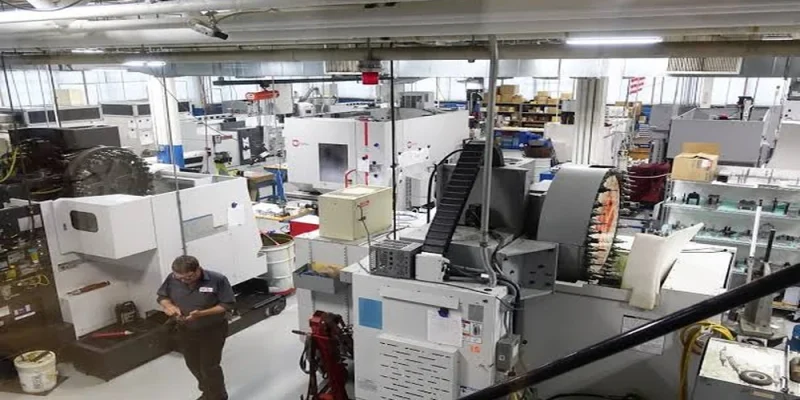
Precision machining quality affects how reliably components fit, function, and perform within larger assemblies. Industries such as aerospace, automotive, energy, industrial equipment, and transportation may require carefully controlled dimensions and repeatable results. When evaluating manufacturing capabilities, businesses working with a machine shop Dallas provider may consider equipment, tooling, material expertise, inspection methods, and production controls together rather than treating quality as a single factor.
Why Machining Quality Matters to Manufacturers
Consistent machining helps ensure that manufactured components conform to engineering specifications. Dimensional variations can affect assembly, movement, sealing, alignment, or equipment performance, particularly when components must interact with other precision parts.
Quality requirements can vary according to the application. A decorative component may have different requirements from a part exposed to significant mechanical loads, heat, pressure, or repeated movement.
Manufacturers therefore need to establish appropriate tolerances, surface-finish requirements, material specifications, and inspection expectations before production begins.
The Impact of Equipment and Tooling
Machine condition has a direct relationship with machining accuracy. CNC mills, lathes, and other equipment need appropriate calibration, maintenance, and setup to perform consistently.
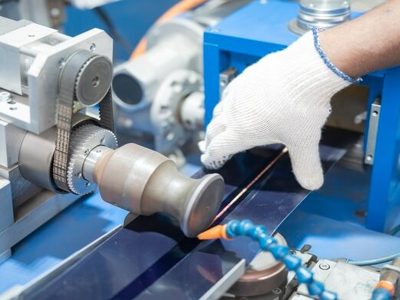
Tooling also influences the finished component. Cutting tools gradually wear during production, potentially affecting dimensions and surface quality. Selecting the appropriate tool for the material and machining operation helps manage these effects.
Workholding is another important consideration. Components must remain securely positioned during cutting so that movement does not introduce dimensional errors.
Manufacturing businesses should examine whether prospective suppliers have equipment suitable for the size, complexity, tolerances, and materials associated with their projects.
Material Selection and Machining Considerations
Different materials behave differently during machining. Aluminum, stainless steel, carbon steel, brass, and engineering plastics each have characteristics that affect cutting speeds, feeds, tooling, heat generation, and surface finish.
Material hardness and strength can influence tool wear and machining time. Some materials may also require cutting conditions or coolant strategies.
Material specifications should be clearly documented before machining begins. Where required, manufacturers may also need material certifications or traceability documentation to verify that the correct material has been used.
For businesses operating across Texas, requirements may vary by industry. A machine shop Houston provider, for example, may encounter projects associated with energy, petrochemical, maritime, and industrial applications where material selection and component reliability are particularly important.
Inspection and Quality-Control Practices
Inspection confirms whether completed components meet the specified requirements. Depending on the project, quality checks may include dimensional measurements, surface-finish evaluation, visual inspection, or more advanced measurement techniques.
Inspection can take place during different stages of production rather than only after every component has been completed. In-process checks can help identify deviations early and reduce the possibility of producing a large quantity of nonconforming parts.
Documentation is also valuable. Inspection records, material certifications, and other quality documents can support traceability and provide evidence that specified requirements have been addressed.
Maintaining Consistency Throughout Production
Producing one accurate component is different from maintaining accuracy across an entire production run. Consistency requires controlled processes, stable equipment, appropriate tooling, reliable programming, and regular inspection.
Tool wear should be monitored, particularly during larger production orders. Machine maintenance and documented procedures can also help reduce unexpected variation.
Clear communication between engineers, machinists, inspectors, and production teams supports consistent results. Changes to drawings or specifications should be documented and communicated before revised instructions are introduced into production.
Connecting Quality With Manufacturing Performance
Precision machining quality depends on several interconnected elements rather than one piece of equipment or one inspection step. Equipment condition, tooling, material selection, workholding, programming, inspection, and process control all contribute to the final result.
Manufacturers that define technical requirements clearly and evaluate these factors together are better positioned to establish production processes that support dimensional accuracy, repeatability, and dependable component performance.






Comments