
 By
By 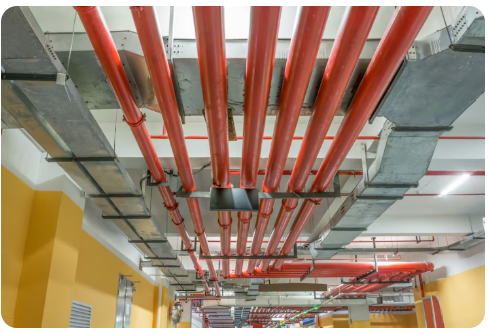
Ensuring the safety and security of a commercial property is an ongoing, multi-faceted responsibility that extends beyond simple locks and alarms. It involves creating a resilient environment that protects personnel, assets, and business continuity from a range of risks, including theft, accidents, and fire.
A lapse in security or safety compliance can result in significant financial loss, legal liabilities, and irreparable damage to a company’s reputation.
To safeguard this critical asset, property managers must adopt a holistic, preventative strategy that integrates physical security, robust fire protection, and meticulous structural maintenance. This guide outlines key areas for strategic investment to fortify your commercial premises.
Implementing Multi-Layered Physical Security
Physical security is the first line of defense. Start by securing the perimeter with high-quality fencing, clear signage, and adequate exterior lighting, especially in parking areas and along access routes.
Install heavy-duty, commercial-grade locks on all doors and windows, and consider fitting automatic commercial doors or industrial roller shutters for large access points.
Integrating a monitored surveillance system (CCTV) with clear coverage of all entry points and critical interior areas is essential. Access control systems, such as key card or biometric readers, should be used to restrict entry to sensitive zones, ensuring that only authorised personnel can gain access.
Regular Safety Audits and Employee Training
Safety is a shared responsibility, requiring consistent oversight and employee engagement. Conduct regular safety audits of the premises to identify and mitigate potential hazards, such as cluttered walkways, exposed wiring, or uneven flooring.
All staff must receive comprehensive training on emergency procedures, including evacuation routes, the use of fire extinguishers, and incident reporting protocols.
Regular drills are vital to ensure employees can react swiftly and calmly during a real crisis. A well-trained workforce is a crucial component of any effective safety strategy.
Protecting Structural Integrity with Professional Firestopping Services
Fire protection is one of the most critical aspects of commercial property safety. While sprinklers and alarms are mandatory, passive fire protection is equally important. Investing in professional firestopping services is essential for preventing the spread of fire and smoke through a building’s infrastructure.
Firestopping involves sealing openings and penetrations—such as those created by pipes, cables, and ventilation ducts—in fire-rated walls and floors with specialised materials.
Proper firestopping services compartmentalize the building, creating crucial barriers that slow the fire’s progress, giving occupants more time to evacuate and limiting property damage.
Ensuring Exterior Safety and Aesthetics with Glass Baluster Deck Railing
Exterior safety, particularly on raised platforms, decks, and balconies, must not be overlooked. Updating or installing a modern glass baluster deck railing system enhances both safety and the property’s aesthetic value.
This type of railing provides a strong, secure barrier that complies with building codes while maintaining clear visibility.
Regular inspections of the glass baluster deck railing must be performed to check the security of the mounting hardware and ensure the glass panels are free from significant chips or cracks that could compromise their structural integrity. Maintaining these barriers prevents falls and significantly reduces liability risks.
Proactive HVAC and Utility System Maintenance
Operational safety and efficiency are intrinsically linked to the building’s utility systems. Faulty wiring, gas leaks, or overheating HVAC components pose significant safety threats.
Establish a rigorous, documented schedule for preventative maintenance on all heating, ventilation, air conditioning, and electrical systems.
Certified professionals should conduct annual inspections to check for wear and tear, verify proper ventilation, and ensure all systems are operating within safe parameters. Proactive maintenance prevents hazardous failures and secures the operational environment.








Comments